Blog Details

Why the Right Floor Can Change How a Room Sounds and Feels
Most people remember how a room looks after new flooring goes in. What they usually forget is how the room feels afterward. Not visually, but physically. The sound underfoot. The way footsteps land. The way voices carry. These things are noticed slowly, over days, not minutes. Flooring changes the behavior of a room, not just its appearance.
The Room Sounds Different Before Anything Looks Different
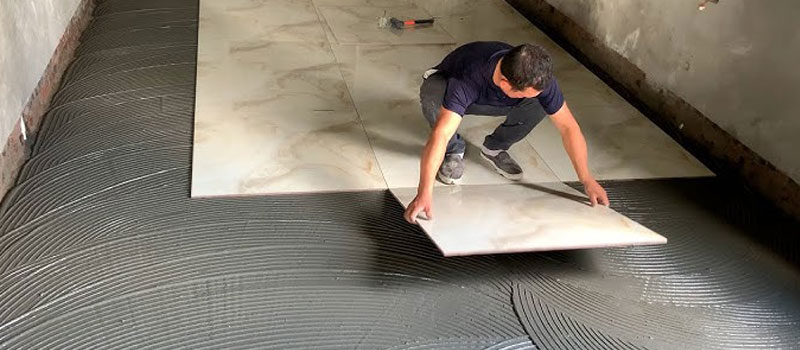
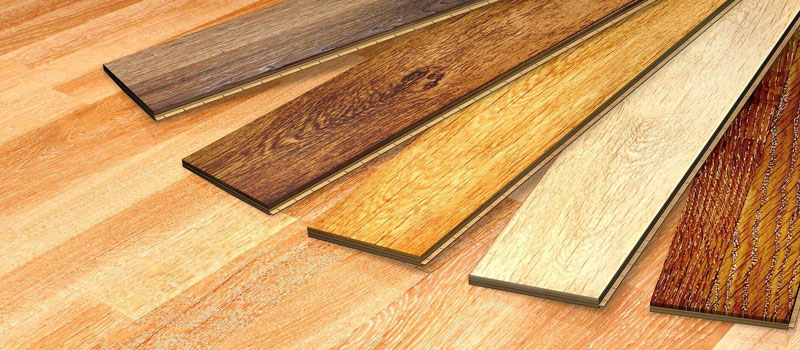
One of the first changes happens before furniture is even placed. Empty rooms echo. Every step sounds sharp. Once the right floor is installed, that echo shifts. Sometimes it becomes cleaner and more controlled. Hardwood floors bring clarity to sound. Footsteps sound firm and deliberate. The room feels solid. Not loud, but alive. Laminate floors behave differently. When installed properly, they take the edge off sound. Movement still registers, but it does not bounce as aggressively. Rooms with laminate often feel calmer, especially in spaces where people walk frequently. Tile reflects sound more strongly. This can feel bright and open in kitchens or entryways. In the wrong place, it can feel sharp. The sound is not bad, just honest. It tells you exactly where you are. It absorbs more sound than expected. Rooms feel quieter without feeling dull. This is why spaces with vinyl often feel relaxed even when nothing else has changed.
Floors Decide How Movement Feels
The way a floor responds to weight changes how people move through a room. Solid hardwood feels steady. There is no give. That firmness creates confidence in movement. People stand straighter. Tile feels firm and cool. It slows people down. Movement becomes careful, especially barefoot. In the right space, that feels refreshing. In others, it feels formal. Vinyl sits somewhere in between. It cushions slightly. This reduces fatigue in rooms where standing happens often. The effect is subtle but noticeable after long days. It is mostly natural, nothing is forced.
Temperature Starts Underfoot
Floors affect temperature perception more than walls do. Tile holds cold. Hardwood balances temperature. Laminate depends heavily on what is beneath it. Vinyl often feels warmer than expected. This changes how rooms are used. A room with cold flooring might be avoided early in the morning. A warmer surface invites use without thought. Temperature comfort is not about heat settings. It is about contact.
Underlayment Is Where the Feel Comes From
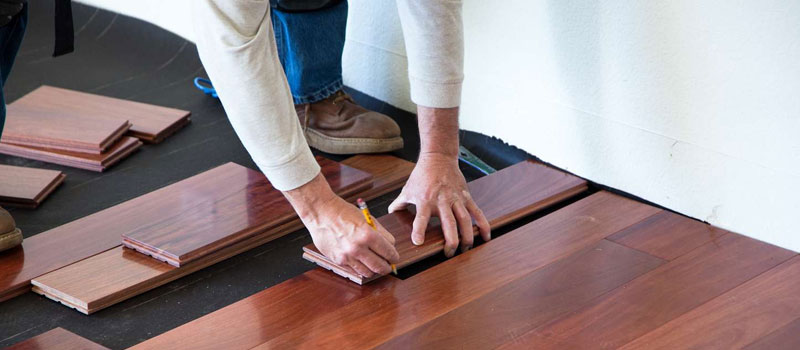
What goes under the floor controls much of the experience. Underlayment affects sound, temperature, and how the floor reacts to pressure. A good underlayment softens footsteps. It reduces hollow sounds. It helps the floor settle instead of shifting. Many complaints about flooring come from what was skipped underneath. Even high-quality flooring can feel wrong if the foundation is wrong.
Rooms Behave Based on Flooring Choice
After installation, people use rooms differently. Quiet floors encourage lingering. Harder surfaces encourage activity. Living spaces feel calmer with softer sound control. Kitchens feel energetic with firmer surfaces. Hallways feel less rushed when footsteps are muted.
Latest Post
Choosing the Right Flooring for Your Palm Springs Home with Wood Floor Installer
The Detail That Makes a Room Look Finished: Why Crown Molding Still Matters
Why Some Floors Still Look Beautiful After 20 Years While Others Don't Make It to Five
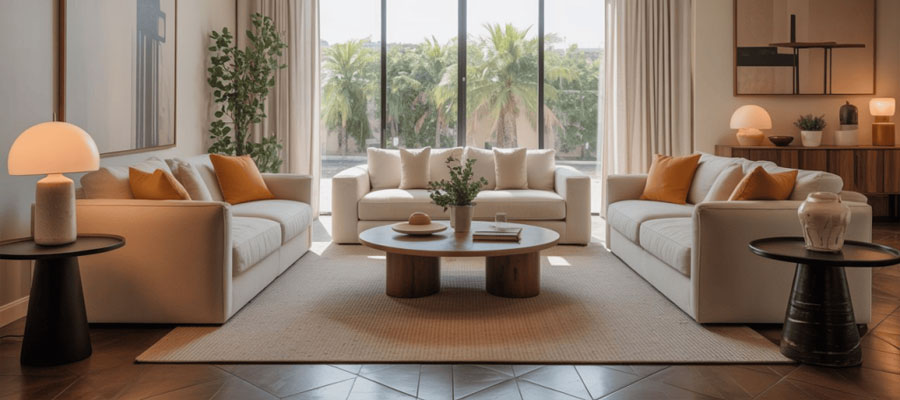
The Rooms You Walk Through Every Day Say More Than You Think
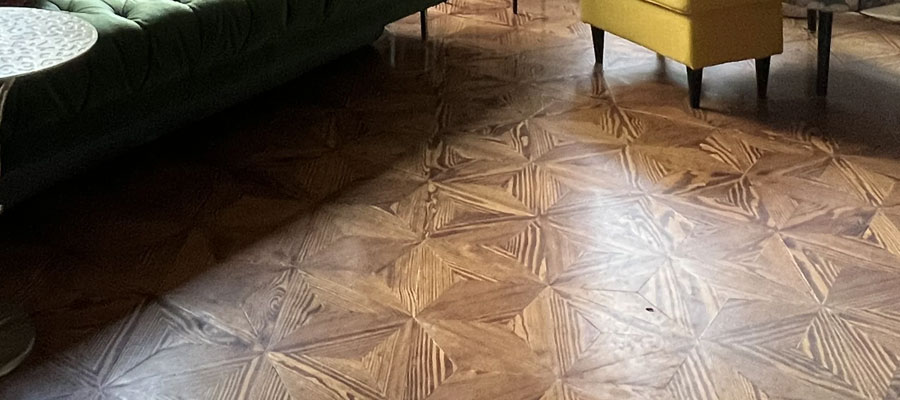
They Walk In and Decide How It Feels Without Saying a Word Watch it sometime.
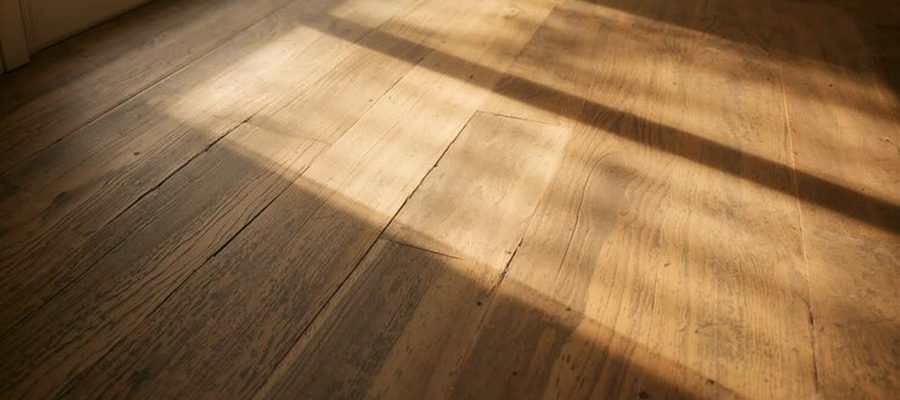
Before the Furniture Comes Back: That Odd, Quiet Gap After New Floors
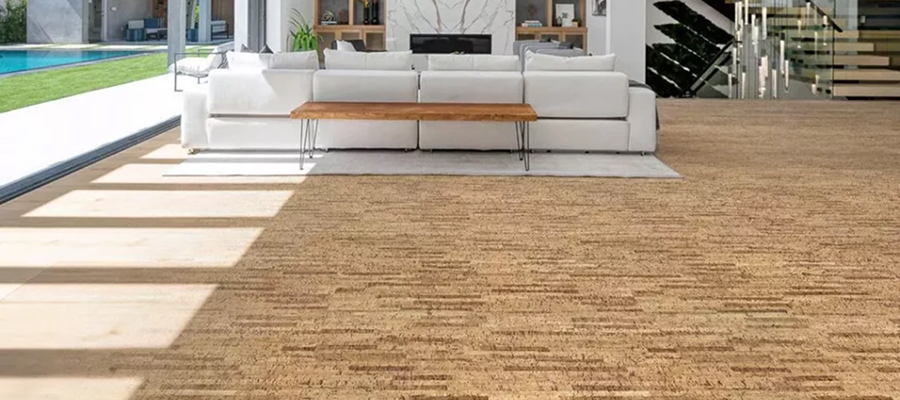
The Sound of a Good Floor: Why Some Homes Feel Quieter the Moment You Walk In

How Different Flooring Materials Handle Daily Wear in Busy Homes
The Most Common Mistakes People Make Before Installing New Floors
Why the Right Floor Can Change How a Room Sounds and Feels
The Evolution of Vinyl Flooring
How Baseboards Protect Your Walls and Your Wallet

HOW TO MAINTAIN THE BEAUTY OF WATERPROOF VINYL FLOOR?
How Do Baseboards Improve The Vibe Of The House?

How To Fix Scratches On Laminate Floors? - A Guide
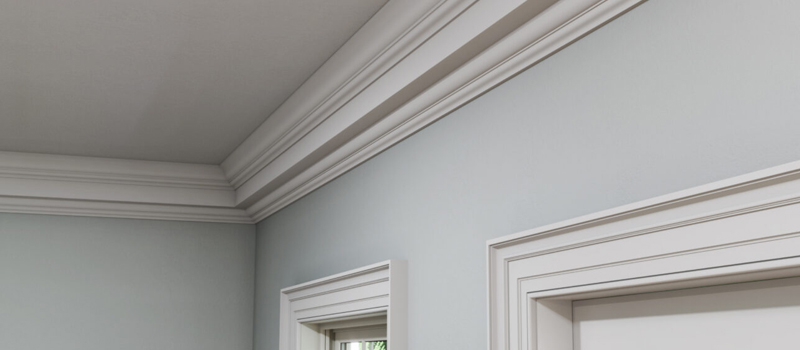
WHAT IS CROWN MOLDING? - AN ULTIMATE GUIDE
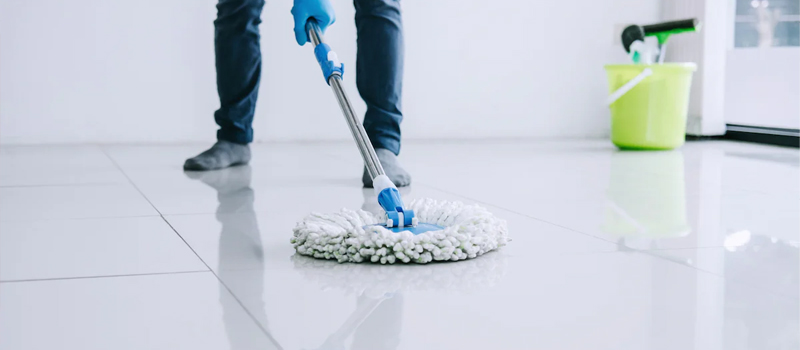
TIPS TO KEEP YOUR TILES CLEAN AND GLOSSY
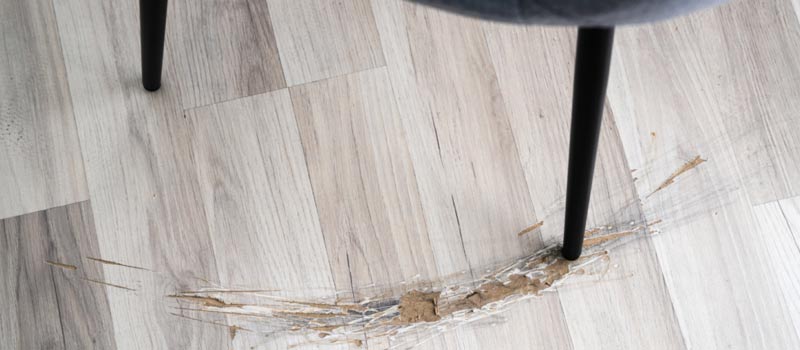
Signs That Point To Replacement Of The Wood Floor
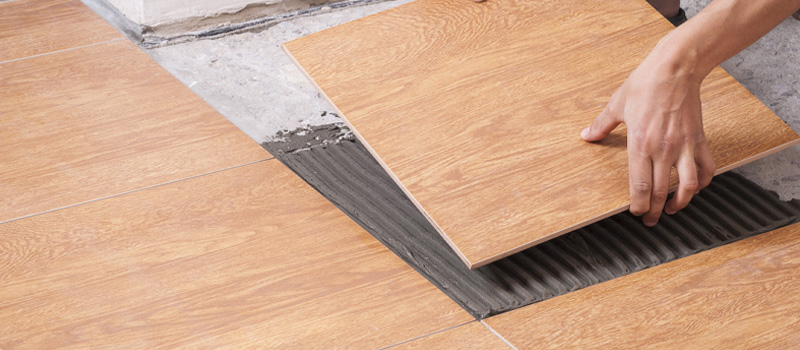
Different Wood Floors For Different Climates

Benefits Of Getting The Floors Professionally Polished
What Homeowners Should Expect from Professional Stone Floor Installation
Understanding Different Floor Finishes and How to Choose Them?
The Multiple Benefits of Professional Wood Floor Polishing
Flooring Trends In 2024
Wood Floor In The Kitchen: A Good Or A Bad Choice?
Is Installing A Wood Floor In The Basement A Good Idea?
How To Prevent Scratches On The Hardwood Floor?

Room-By-Room Guide To Choosing The Best Flooring For Each Space
Choosing The Best Hardwood Floor For Dogs And Cats

Seasonal Maintenance Tips For Wood Floors
New Trends In The Flooring Industry
Tips To Keep Your Hardwood Floor Clean

How Can You Choose The Best Floor For Your Home?
Protect and Make Your Hardwood Floors Last Longer
Crafting Elegance: A Journey Through Wood Floors with Wood Floor Installers Inc
Step Into Luxury: Wood Floor Installers Inc Chronicles at Thousand Palms, CA
Mastering the Art of Wood Floors: Inspiring Homes in Thousand Palms, CA
Elevate Your Home with Wood Floor Installers Inc - Engineered Wood Services in Rancho Mirage